
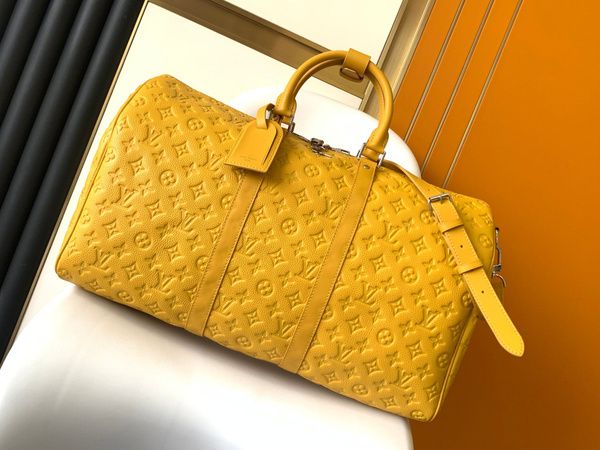
Introduction
In the world of fashion, luxury often comes with a hefty price tag. Designer handbags, in particular, symbolize status, exclusivity, and timeless style. Yet, for many fashion enthusiasts, owning a luxury bag is financially out of reach. This gap has given rise to a booming market for replica bags, offering similar designs at a fraction of the cost. While replica bags attract millions of buyers worldwide, their rise also sparks debates around authenticity, ethics, and consumer behavior. This article explores the growing demand for replica bags, why they remain so popular, and the complex questions they raise in the fashion industry.
What Are Replica Bags?
Replica bags are imitations of luxury designer handbags that closely mimic their style, branding, and overall appearance. Unlike counterfeit items that may openly use fake logos in violation of intellectual property laws, many replica bags are marketed as “inspired by” versions, allowing them to exist in a legal gray area. These bags replicate high-end designs, sometimes with impressive accuracy, making it difficult for the casual eye to distinguish them from authentic pieces.
Why People Buy Replica Bags
1. Affordability Without Compromise
The most obvious reason for purchasing replica bags is cost. Luxury handbags from brands like Chanel, Louis Vuitton, or Hermès can cost thousands of dollars. Replica bags, on the other hand, often range from $50 to $300, providing budget-conscious buyers with the look of luxury without the financial burden.
2. Accessibility to Trends
Fashion is fast-paced, and styles evolve quickly. Replica bags allow consumers to stay on top of trends without making long-term financial commitments. A bag that resembles the latest runway hit can be purchased within days, ensuring fans can enjoy the style while it’s still relevant.
3. Experimenting with Style
For many, replica bags offer a low-risk way to experiment with different looks. Someone unsure about whether a bold handbag suits their wardrobe might opt for a replica before investing in a genuine piece.
4. Status Symbol Appeal
Even when replicas are not authentic, they can still project the aura of prestige associated with high-end fashion. For some buyers, this perception is enough to justify their purchase.
The Craftsmanship Behind Replica Bags
Not all replica bags are created equal. Some are poorly made with cheap materials, while others—often referred to as “mirror quality” replicas—are produced with high attention to detail. These high-grade replicas use quality leather, metal fittings, and stitching techniques to closely mirror the original designs. In some cases, even experienced fashion enthusiasts struggle to tell the difference.
The craftsmanship in these top-tier replicas reflects a surprising level of skill. Entire workshops specialize in reproducing luxury bags, focusing on durability, accurate design, and quality control. This craftsmanship further blurs the line between replicas and authentic products, fueling demand.
The Ethical Debate
1. Intellectual Property Concerns
One of the biggest criticisms of replica bags is that they infringe on the intellectual property rights of luxury brands. Fashion houses invest heavily in design, branding, and marketing. Replica manufacturers, critics argue, profit from this creativity without contributing to the industry’s innovation.
2. Impact on Luxury Brands
Interestingly, some argue that replica bags may actually benefit luxury brands indirectly. By making their designs more widely visible, replicas increase brand awareness and aspiration. Consumers who start with replicas may eventually save up to purchase authentic pieces. However, others claim that replicas dilute exclusivity, a key value for luxury labels.
3. Consumer Responsibility
Buying replica bags raises questions about consumer ethics. While replicas are not always illegal, buyers must consider whether supporting such markets undermines creativity and fairness in fashion. At the same time, the rising demand for replicas highlights the growing frustration with inflated luxury prices and the inaccessibility of designer goods.
Social Media and the Replica Market
Platforms like Instagram, TikTok, and YouTube have accelerated the popularity of replica bags. Influencers often showcase “dupes” or “look-alikes” to their followers, normalizing replica culture. Some openly review replicas, comparing them side by side with authentic pieces, while others discreetly promote sellers.
Social media has democratized fashion, giving everyday consumers access to luxury-inspired styles. This cultural shift challenges traditional notions of exclusivity and authenticity, raising questions about what luxury truly means in the digital age.
Replica Bags vs. Authentic Bags: A Consumer Perspective
This comparison illustrates the trade-offs consumers weigh when choosing between replicas and authentic luxury.
The Future of Replica Bags
The replica bag industry shows no signs of slowing down. In fact, advancements in manufacturing and global e-commerce are making replicas more convincing and accessible than ever. At the same time, luxury brands are pushing back by introducing new authentication technologies, including blockchain-based certificates and AI-powered verification apps.
As the line between replicas and authentic items becomes increasingly blurred, society may need to reconsider its definition of luxury. Is luxury about exclusivity, quality, or simply the image it projects? And how much of that image should consumers be willing to pay for?
Conclusion
The world of replica bags is complex, combining affordability, aspiration, and controversy. They provide fashion enthusiasts with an accessible way to enjoy the glamour of luxury brands while also raising critical questions about ethics, intellectual property, and the meaning of authenticity in modern fashion.
Ultimately, replica bags highlight a larger conversation: luxury fashion is no longer confined to the elite. Instead, it exists in a space where accessibility and aspiration collide. As replicas become more sophisticated, the future of luxury may depend less on material exclusivity and more on the values and choices of consumers.
Will society continue to embrace replicas as a practical alternative, or will the allure of authenticity prevail? The answer lies in how we, as consumers, define value in the ever-changing world of fashion.